Gemstone of Rahu
Hessonite
Gomed
Rahu's stone of clarity and protection.
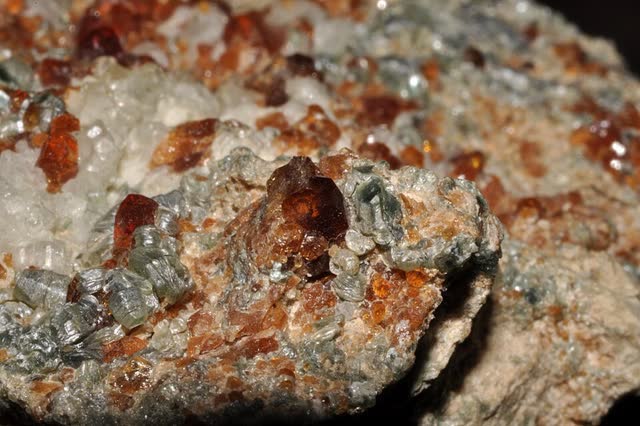
Hessonite (Gomed) is the gemstone of Rahu, the north lunar node. A honey-brown stone, it is traditionally worn during Rahu periods for clarity and protection.
What is Hessonite (Gomed)?
Hessonite is the honey-yellow to cinnamon and reddish-brown variety of grossular garnet, with a hardness of about 6.5 to 7.5 on the Mohs scale. The finest gomed has a warm, transparent colour and a characteristic swirled, treacle-like internal texture that helps identify it as natural.
At a glance
Hessonite at a glance
Planet
Rahu
Recommended for
driven by Rahu's placement and period rather than ascendant; Aquarius (Kumbha) is the most cited favourable ascendant
Metal
Silver
Finger
Middle finger
Day
Saturday
Weight
Commonly up to around 6.25 ratti (chart dependent)
Hessonite benefits
Everything below is what Vedic astrology traditionally believes, sorted by area of life. None of it is medical, financial or guaranteed.
Career and profession
Traditionally believed to remove obstacles and aid public careers, politics, business and foreign connections.
Wealth and finances
Associated with sudden gains, improved status and the protection of investments.
Health and body
Traditionally cited for Rahu-linked unease. This is traditional belief, not a medical claim.
Mind and emotions
Its most emphasised area: since Rahu signifies confusion, gomed is believed to bring calm, mental clarity and relief from anxiety.
Relationships
A secondary use; it is worn by some couples for harmony but is not a primary marriage stone.
How to wear Hessonite
Hessonite is set in silver, cleansed in raw cow's milk and clean water, energised by chanting the Rahu beej mantra 108 times, and worn on the middle finger on a Saturday, traditionally in the evening since Rahu has no weekday of its own.
Rahu beej mantra
Om Bhraam Bhreem Bhraum Sah Rahave Namah
Traditionally chanted 108 times to charge the stone before its first wear.
How to spot a real Hessonite
- ·Natural gomed shows a warm honey to reddish-brown colour with a wavy, treacle-like internal swirl, a near-diagnostic feature.
- ·As a garnet at hardness 6.5 to 7.25 it scratches glass gently; a flawless stone with round bubbles is glass.
- ·It should feel dense; very light imitations are resin or glass. Confirm with a lab report.
Substitutes for Hessonite (upratna)
The traditional substitute (upratna) is orange zircon, with spessartite garnet also cited. Many authorities advise wearing the primary hessonite for Rahu rather than a substitute.
Who should wear it
Who it suits, and what to watch
Recommendations depend more on Rahu's placement and period than on ascendant. A short trial is advised, and it is believed to cause confusion if worn against chart advice. Wear only after chart analysis by a qualified astrologer.
These are traditional astrological beliefs, not medical, financial or guaranteed outcomes. A gemstone is traditionally read off your whole birth chart, so the right stone for you comes from an actual reading.
Pick the right one
Which gemstone is right for you?
The stone that suits you tracks the planets in your birth chart, not just your sign. Destivio runs your full Vedic chart and shows which planets are strong or weak, so you can make an informed call with a qualified astrologer.
Your reading covers every area. If you want, start with what is on your mind.
Get your free reading
Hessonite FAQ
Which planet does Hessonite represent?
Hessonite (Gomed) represents Rahu, the north lunar node. It is traditionally worn during Rahu periods for clarity and protection.
Who should wear Hessonite?
It is traditionally recommended for those running a Rahu period or with a favourably placed Rahu, set in silver on the middle finger, after chart analysis by a qualified astrologer.
What is the mantra for wearing Hessonite?
The Rahu beej mantra "Om Bhraam Bhreem Bhraum Sah Rahave Namah" is traditionally chanted 108 times to energise the stone before first wear.
How do I identify a real Hessonite?
Natural gomed has a warm honey-brown colour with a wavy, treacle-like internal swirl, feels dense, and scratches glass gently. A flawless, light, bubble-filled stone is an imitation.
The nine Navratna gemstones
Related